 how-to
7 Commercial Grab Hire Pricing Factors for 2026
Last Updated: November 1, 2026
Quick Summary
Commercial grab hire pricing in 2026 is driven by load size and tonnage, waste type and disposal charges, distance and access, and turnaround time. A useful quote separates base haulage of £280-£420 per load from extras such as tipping at £90-£180, waiting time and part-load surcharges, then confirms whether VAT is included.
- An 8-wheeled lorry is the standard workhorse, and heavy wet clay fills it faster than dry topsoil.
- Waiting time beyond the free allowance of often 15-30 minutes costs £40-£80 per hour.
- Grab hire suits bulk spoil and heavy waste, while skip hire suits small, slow-filling jobs.
- Give every provider the same brief covering material type, tonnage, access and preferred date.
- Request the waste transfer note after collection and keep it with your site records.
Table of Contents
- What Drives Commercial Grab Hire Pricing in 2026
- Commercial Muck Away Costs: What Adds to the Bill
- Grab Hire vs Skip Hire: Which Works Out Cheaper
- Muck Away Turnaround Time and Why It Affects Price
- Your Grab Hire Quote Checklist Before You Book
- Booking Your Commercial Grab Hire Service
- Frequently Asked Questions
What Drives Commercial Grab Hire Pricing in 2026
Commercial grab hire service pricing in 2026 comes down to four things: how much you load, what you load, where the lorry has to reach, and how quickly you need it there. Get those four right and the quote stops being a lottery.
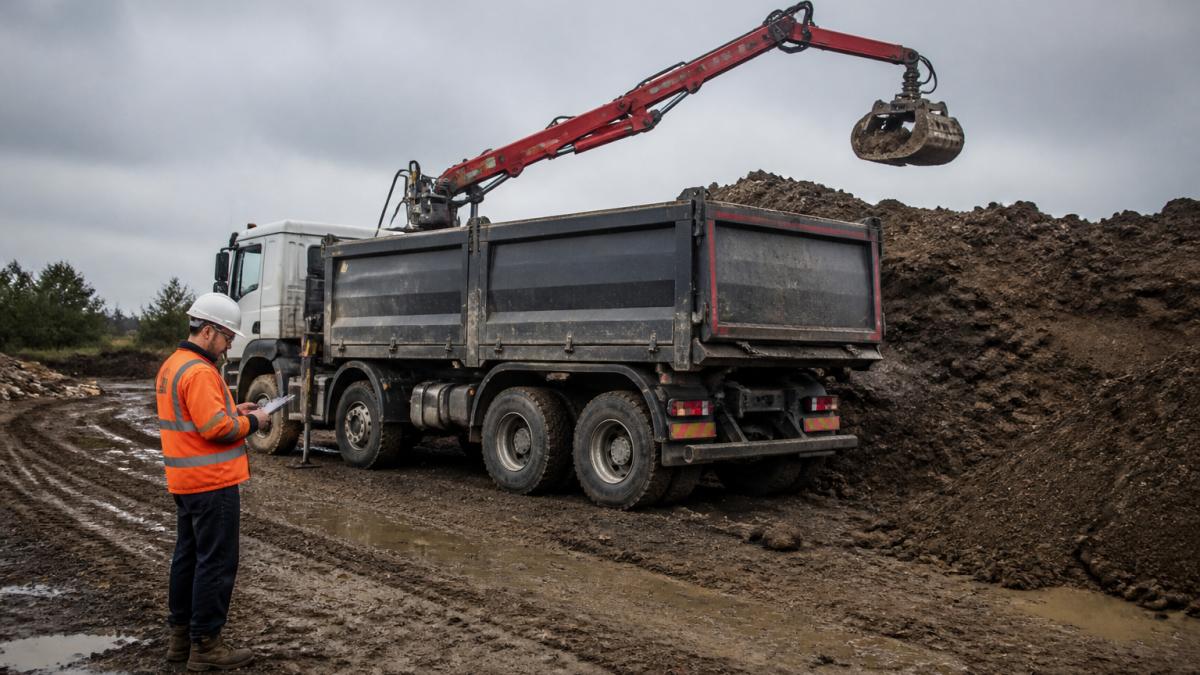
A grab lorry is a haulage job with a crane bolted on: you pay for vehicle time, tipping charges and distance, not the size of the hole.
Here is the part most quotes hide: a cheap headline rate often excludes disposal, waiting time or part-loads. The real cost of grab hire pricing shows up in the extras.
Load Size, Tonnage and the 8-Wheeled Lorry
An 8-wheeled lorry is the standard workhorse for commercial grab hire, and its load capacity sets the ceiling on what one trip can clear.
That distinction matters for your budget. A full load of dense excavated material may be half the volume of lighter spoil yet cost the same in haulage, so quotes may be based on both volume and tonnage.
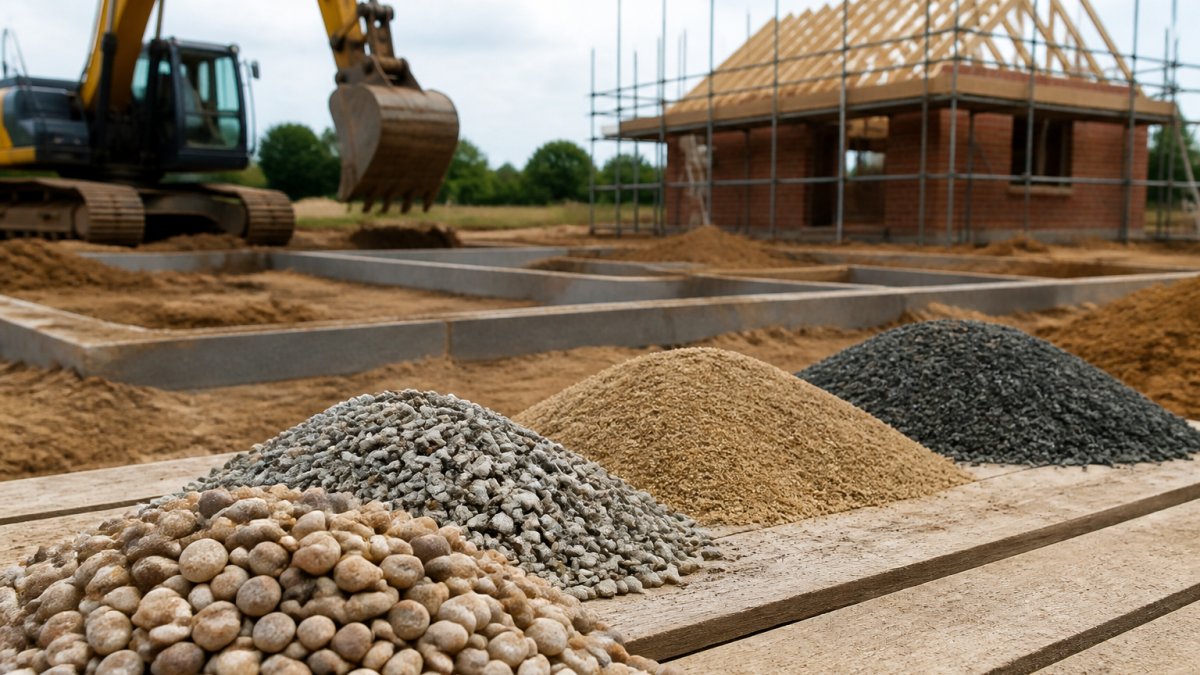
If you are weighing up how much material your project will produce, calculating aggregate needs for construction made simple
Waste Type and Disposal Charges
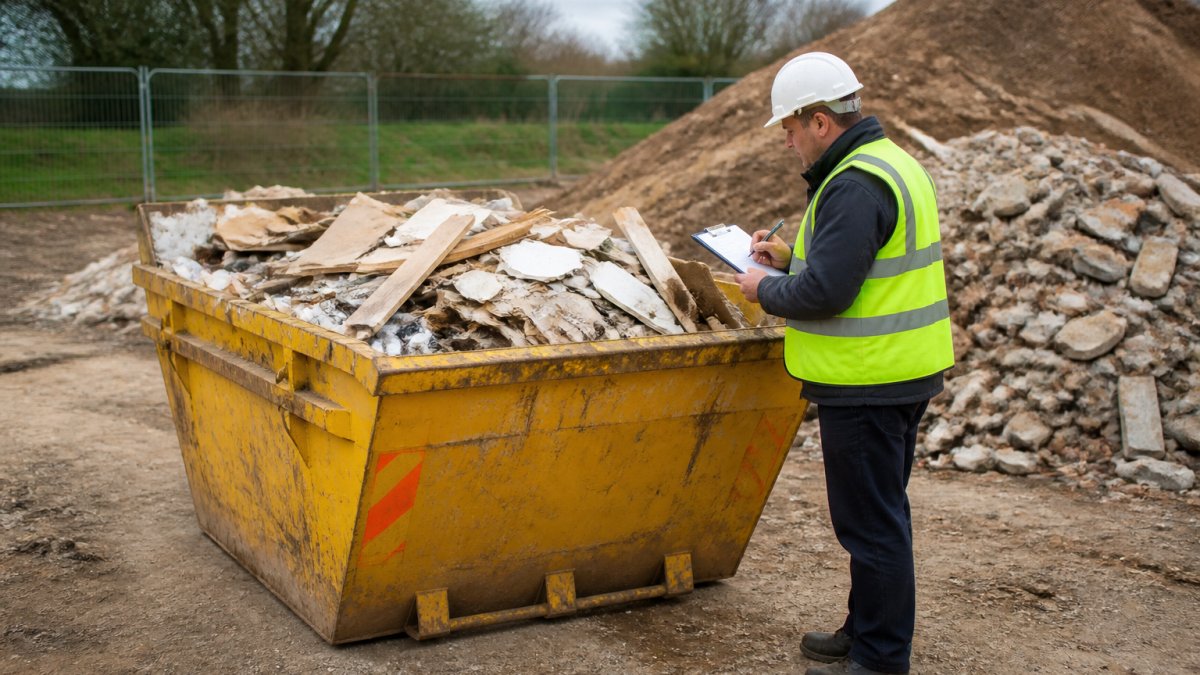
Waste type is the line item that changes most between quotes. Waste type affects how material is handled and disposed of, and hazardous material needs separate handling and paperwork.
Under the Environment Agency waste duty of care guidance, anyone producing construction waste must ensure it is transferred to a registered carrier and keep the waste transfer notes. Ask for those notes. They protect you, not just the haulier.
Read more on how contractors avoid waste disposal fines before you sign off a site clearance.
Commercial Muck Away Costs: What Adds to the Bill
Commercial muck away costs in 2026 are rarely a single number. A useful quote separates the base haulage rate from the site-specific extras, so you can see what drives the price. Pricing depends on quantity, dates and delivery. For current prices or a quote, contact SA GRAB SERVICES directly.
| Cost component | What it covers | Example 2026 range (per load) |
|---|---|---|
| Base haulage and crane hire | Vehicle, driver, crane operation, fuel | £280-£420 |
| Disposal or tipping charge | Gate fee at the permitted waste facility | £90-£180 |
| Distance supplement | Travel beyond the provider's standard radius | £0-£120 |
| Waiting time | Delay beyond the agreed free allowance (often 15-30 minutes) | £40-£80 per hour |
| Part-load surcharge | Loads below the lorry's efficient capacity | £60-£150 |
| VAT | Standard rate on the net total | 20% |
Access, distance and timing can all affect the cost of a job. Ask for each to be shown as a separate line so you can compare like-for-like.
VAT is another common source of confusion. Some quotes are net of VAT and others include it. If one quote includes VAT and the other does not, the cheaper-looking option may not be cheaper at all, so confirm whether figures are net or gross.
Grab Hire vs Skip Hire: Which Works Out Cheaper
Grab hire can suit large volumes of heavy waste, as one lorry can clear material that would otherwise need several skips. Skip hire suits small, tidy jobs where waste accumulates slowly over days.
The trade-off is flexibility. A skip sits on site and you fill it at your own pace. A grab lorry arrives, lifts and leaves, so the material has to be ready.
| Factor | Grab Hire | Skip Hire |
|---|---|---|
| Best for | Bulk spoil, heavy waste | Small, slow-filling jobs |
| Permits | Rarely needed on private land | Road permits often required |
| Loading | Driver operates the crane | You load by hand |
| Site space | Needs lorry access | Needs footprint space |
| Turnaround | Same-day or next-day | On-hire for days or weeks |
Muck Away Turnaround Time and Why It Affects Price
Muck away turnaround time is the gap between the lorry arriving and leaving loaded. A clean, accessible site with material pre-stacked can turn around in well under an hour; a congested site with scattered spoil can take far longer.
That time is money, which is why a well-prepared site often gets a sharper rate than a messy one.
Booking ahead for site clearance is generally sensible, as availability depends on travel distance and scheduling.
Your Grab Hire Quote Checklist Before You Book
A grab hire quote checklist turns a vague conversation into comparable numbers. The process below walks you from volume estimate to confirmed booking, with the questions to ask at each stage.
Step 1: Estimate the volume and weight
Before you call anyone, work out roughly how much material you have. Measure the length, width and depth of the spoil heap or excavation in metres, multiply to get cubic metres, then apply a bulk factor. Material weight varies, and wet clay is considerably heavier than dry topsoil of the same volume, so estimate the weight of your material before requesting a quote.
Step 2: Prepare the site access
Measure the narrowest point on the route from the road to the spoil, and check for overhead cables, tree branches and parked vehicles. Measure the access route and tell the provider when you request the quote, as access can affect both the price and whether the job is feasible.
Step 3: Request quotes using the same brief
Give every provider the same information: material type, estimated tonnage, access constraints, distance to the tip if known, and your preferred date. Ask each to confirm the following in writing:
- Is disposal and tipping included in the quoted rate?
- What is the load capacity in tonnes and cubic volume?
- Are there minimum charges or part-load rates?
- Is VAT included or added on top?
- What is the waiting time allowance before extras apply?
- Is the waste transfer note provided?
- What is the site access width and overhead clearance needed?
- Is the quote fixed or subject to distance and weight?
Step 4: Compare like-for-like
Put the quotes side by side using the cost components from the previous section. A quote that looks cheaper may exclude disposal or carry different terms. The lowest net figure is not always the lowest final invoice.
Step 5: Confirm the booking and paperwork
Once you have chosen, confirm the date, material type and access route in writing. On the day, have the spoil stacked within reach of the crane and the route clear. After collection, request the waste transfer note and keep it with your site records, under the Environment Agency waste duty of care guidance, anyone producing construction waste must ensure it is transferred to a registered carrier and keep the waste transfer notes. Ask for those notes. They protect you, not just the haulier.
Read more on how contractors avoid waste disposal fines before you sign off a site clearance.
Booking Your Commercial Grab Hire Service
Booking well is the difference between a smooth clearance and a stalled project. Confirm the date, material type and access route in writing, then stack the spoil where the crane can reach it.
SA GRAB SERVICES covers commercial muck away, aggregate delivery and site clearance with digger hire with driver, and offers delivery or depot collection.
Frequently Asked Questions
Are grab hire prices charged by the load or by the hour?
Most commercial grab hire is priced per load, based on the lorry's capacity and the type of waste being removed. Load capacity varies by vehicle and material, so the rate will reflect the load. Hourly charging is less common but can apply to long site clearance jobs or when access is difficult and loading takes longer. Always confirm whether your quote is per load or per hour, and ask what happens if the load is part-full.
Is grab hire cheaper than skip hire for a construction site?
It depends on the job. Grab hire can suit larger volumes of excavated material, as one lorry can clear what would otherwise need several skips. Skips suit smaller, longer-running jobs where waste builds up gradually. For bulk spoil removal or site clearance, grab hire may be worth considering.
Does commercial grab hire pricing include waste disposal?
A reputable grab hire quote should state clearly whether disposal and landfill charges are included. Some providers quote haulage only and add disposal fees separately, which can inflate the final bill. Ask for a breakdown showing collection, haulage, and disposal, plus confirmation of where the waste is taken and what documentation you receive. This matters for duty of care under UK waste regulations, so keep the paperwork.
How can I get an accurate grab hire quote?
Give the provider as much detail as possible: the type and volume of material, site address, access width and any overhead obstructions, preferred date, and whether you need same-day or next-day service. Photos of the site and the waste pile help enormously. Use a quote checklist to compare providers on load capacity, disposal inclusion, waiting time charges, and VAT. Then request a written quote so nothing is agreed verbally.
Pricing in 2026 rewards preparation. Know your tonnage, classify your waste, and ask every provider the same checklist questions. SA GRAB SERVICES can handle muck away, aggregate supply and groundworks in one booking, with flexible delivery or collection and a trained operator on every job. Get started with SA GRAB SERVICES and turn a vague quote into a fixed plan.