 How-to
How Do You Avoid Delays on a Construction Site?
Last Updated: 17 November 2026
Quick Summary
You avoid construction delays by planning permissions, materials and labour before work starts, then running weekly look-ahead planning against the critical path during the build. Build statutory waiting time and contingency into the programme, and trigger the recovery plan early when something slips.
- Confirm planning permissions and building control sign-offs before work starts.
- Set realistic timescales with contingency built into the programme.
- Book materials and muck away collections early rather than on the day.
- Run weekly look-ahead planning against the critical path during the build.
- Log weather and ground conditions daily to catch small slips early.
Table of Contents
- Why Construction Project Site Delays Happen
- Your Construction Project Delay Prevention Checklist
- Construction Materials Delivery Scheduling and Muck Away Timing
- Frequently Asked Questions
Why Construction Project Site Delays Happen
Avoiding construction delays on site starts with knowing where they come from. Most overruns trace back to late planning permissions, materials arriving behind schedule, labour shortages, poor communication between trades, and weather that stops groundworks. According to GOV.UK guidance on planning applications, approval timelines vary by authority, so build statutory waiting time into the programme.
Overruns eat profit and frustrate clients. Understand the factors that affect grab hire pricing before budgeting. The commonest mistake is treating the programme as fixed once work starts, leave room to move.
Your Construction Project Delay Prevention Checklist
A construction project delay prevention checklist works best phase by phase, as a live document.
Before work starts: confirm planning permissions and building control sign-offs; set realistic timescales with contingency; book materials and muck away collections early; agree responsibilities and notice periods in the contract.
During the build: run weekly look-ahead planning against the critical path; track schedule variance and float; check labour and equipment availability; log weather and ground conditions daily.
When something slips: trigger the recovery plan early, record evidence for any delay claim, and update the programme and tell all stakeholders.
Get your quantities right and you avoid half these problems. Calculating aggregate needs accurately stops shortfalls turning into stoppages.
Use this checklist phase by phase to keep the programme on track.
| Phase | What to do |
|---|---|
| Before work starts | Confirm planning permissions and building control sign-offs |
| Before work starts | Set realistic timescales with contingency |
| Before work starts | Book materials and muck away collections early |
| Before work starts | Agree responsibilities and notice periods in the contract |
| During the build | Run weekly look-ahead planning against the critical path |
| During the build | Track schedule variance and float |
| During the build | Check labour and equipment availability |
| During the build | Log weather and ground conditions daily |
Construction Materials Delivery Scheduling and Muck Away Timing
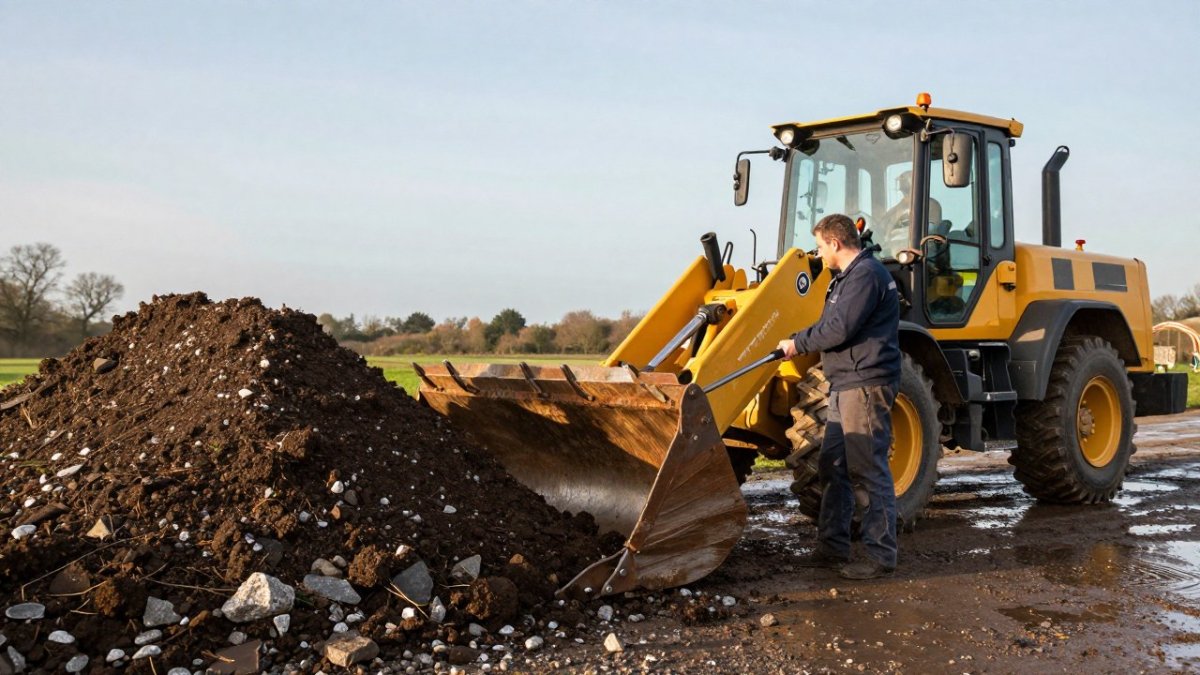
Materials delivery scheduling and muck away timing decide whether a site flows or stalls. Book aggregate deliveries and spoil collections against the programme, not on the day you notice a gap. Schedule aggregate drops to match each phase, book muck away collections before excavation starts, and confirm lead times and access routes in advance.
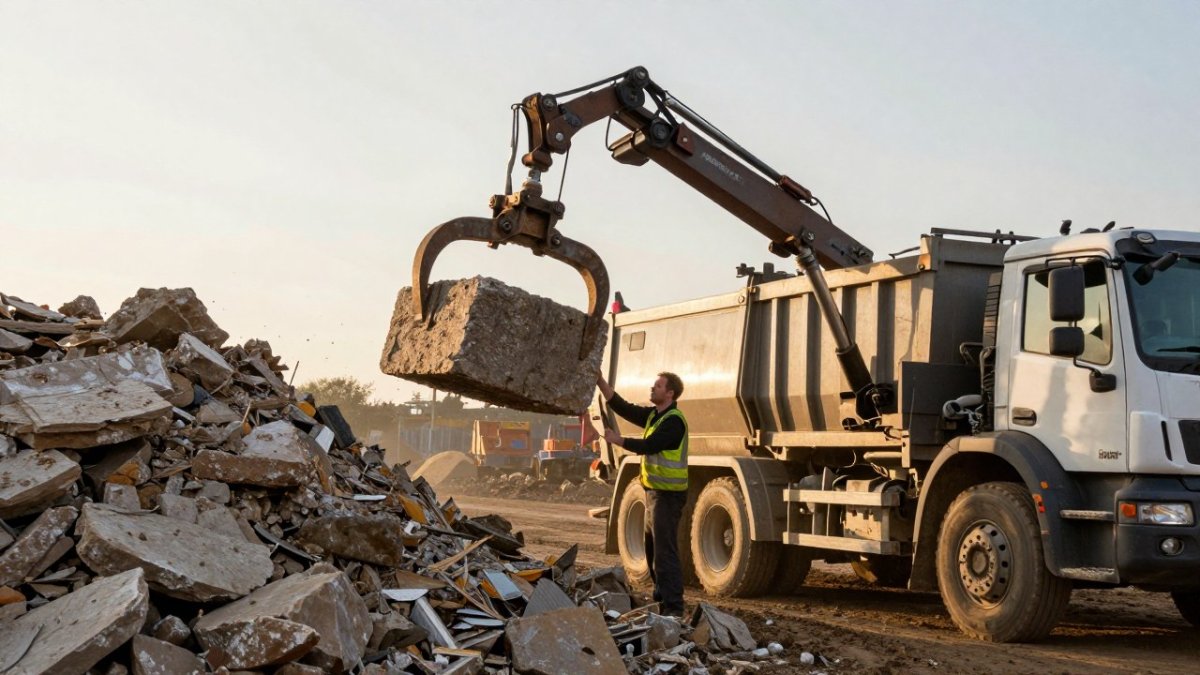
Our guide on finding reliable muck away services explains what to check. When site clearance is due, hire a grab truck at the right point, and get a quote for aggregate delivery to lock in dates early.

Construction delays rarely come from one big failure, they build up from small slips nobody catches. SA GRAB SERVICES helps contractors and developers keep material handling and site clearance on schedule, with grab hire, aggregate supply and groundworks from one team. We offer digger hire with a driver, flexible delivery or depot collection, and coverage across Peterborough, Spalding, Wisbech, Holbeach, Whittlesey, Sleaford, Boston and surrounding areas. Get started with SA GRAB SERVICES and keep your next project moving on time.
Frequently Asked Questions
What are the most common causes of construction delays?
Late material deliveries, unexpected ground conditions, slow statutory approvals, labour shortages and scope changes are the usual culprits. Poor communication between the main contractor and subcontractors compounds all of them. Most delays are predictable: a realistic programme, confirmed delivery slots and a named person chasing approvals each week prevent the majority before they reach the critical path.
How can contractors keep groundworks and muck away operations on schedule?
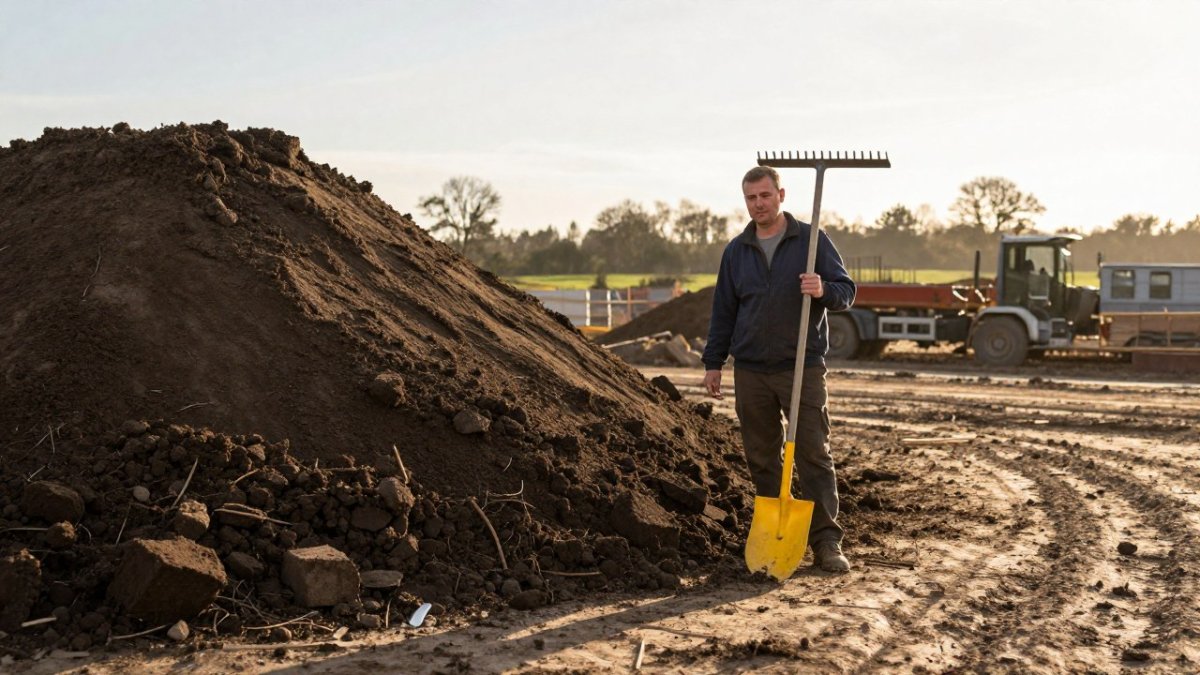
Book muck away before excavation starts, not when the spoil heap is already blocking the site. Confirm the grab lorry access route, weight limits and any permit requirements in advance, and schedule collections to match excavation output rather than site capacity. Keeping a rolling two-week look-ahead for spoil removal and aggregate delivery stops groundworks stalling the trades that follow.
What should a project manager do when a construction task falls behind schedule?
Log the delay, quantify the slip against the programme and check how much float remains on that path. Then act: resequence follow-on trades, add resource to the critical path and notify the client and subcontractors in writing under the contract terms. A written construction delay recovery plan with named actions and dates keeps the project defensible and gives everyone a clear route back on track.