 How-to
Need to Hire a Grab Truck for Site Clearance?
Last Updated: November 4, 2026
Quick Summary
Grab truck hire for site clearance uses a lorry-mounted crane to lift spoil, rubble and green waste over fences and walls into a container, then carries it away for disposal or recycling. The lorry stays on the road or driveway while its arm does the lifting, so no skip permit is needed and one load can shift several tonnes in a single visit.
- Grab hire loads and removes waste in one trip, while a skip needs separate drop and collection visits.
- Grab truck hire cost depends on waste volume, material weight and type, distance to disposal, and access.
- The lorry needs a solid, level surface within reach of the waste, with overhead cables and branches checked.
- Keep inert spoil separate from mixed waste, as contaminated loads may be rejected or reclassified.
- Expect a waste transfer note describing the waste, quantity, carrier and destination when it leaves site.
Table of Contents
- What Grab Truck Hire for Site Clearance Actually Involves
- Grab Hire vs Skip Hire: Which Clears a Site Faster?
- Grab Truck Hire Cost: What Drives the Per-Load Price
- Grab Lorry Access Requirements and Site Preparation
- Muck Away Service: Waste Types, Duty of Care and Legal Disposal
- Book Your Grab Truck Hire with SA GRAB SERVICES
- Frequently Asked Questions
What Grab Truck Hire for Site Clearance Actually Involves
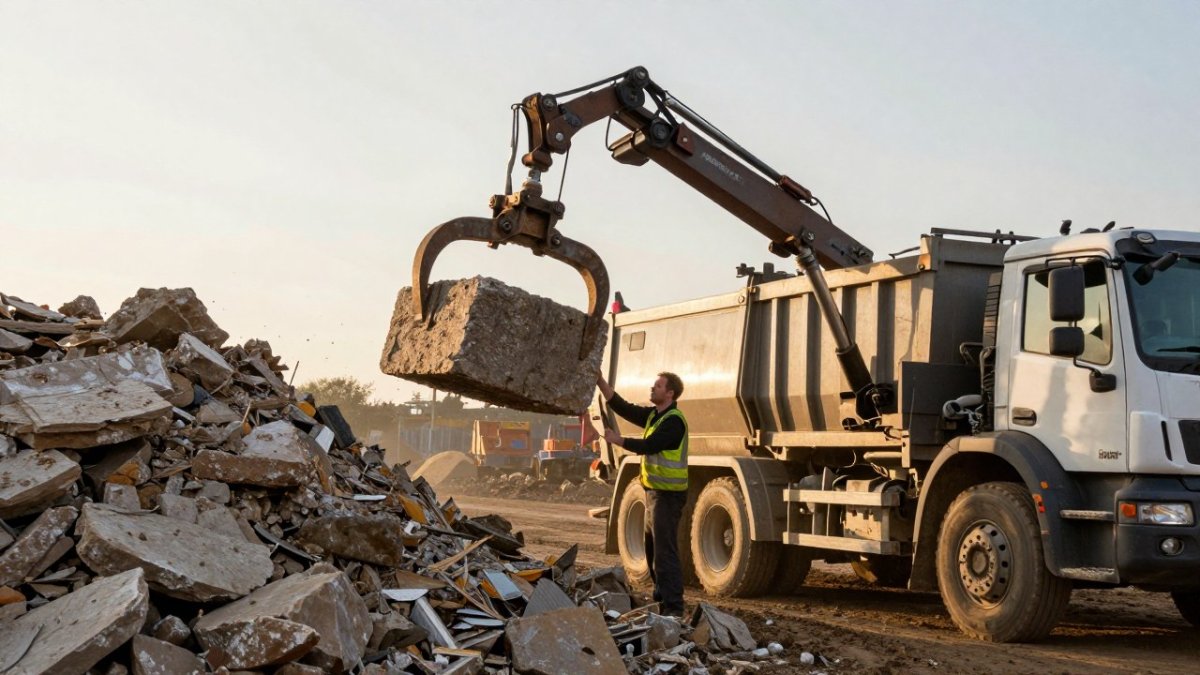
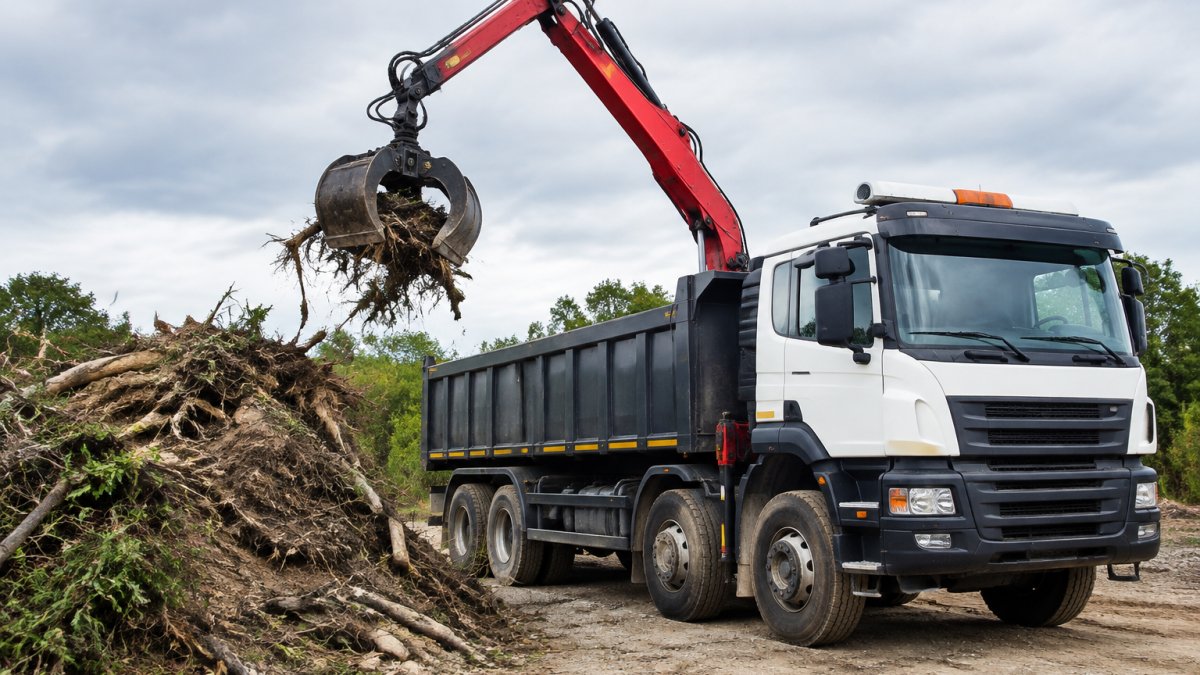
Grab truck hire for site clearance is a service where a lorry-mounted crane reaches over fences and walls to lift spoil, rubble and green waste straight into a container, then carries it away for disposal or recycling. At SA GRAB SERVICES, we run this service across Lincolnshire and the surrounding areas for builders, developers, landscapers and homeowners.
The appeal is simple: the lorry stays on the road or driveway while its arm does the lifting. No skip permit, no double-handling barrow loads through a gap in the hedge, and a single load can shift several tonnes in one visit.
Most jobs follow the same shape:
- You describe the waste and send photos of the access
- We confirm the load size, the vehicle and a date
- The lorry arrives, loads, and leaves with the waste
- You get the paperwork for your records
Grab Hire vs Skip Hire: Which Clears a Site Faster?
Grab hire wins on speed for most clearance work, because the vehicle loads and removes in one trip. A skip has to be dropped, filled by hand or machine, then collected on a separate visit.
A skip still makes sense when you need somewhere to tip waste over several days. If you have a mountain of spoil after a dig-out, a grab lorry clears it in one go.
Here's how the two compare in practice:
| Factor | Grab Hire | Skip Hire |
|---|---|---|
| Loading | Crane lifts from the ground | You fill it yourself |
| Road permit | Rarely needed on private ground | Often needed on public roads |
| Number of visits | One visit to load and go | One to drop, one to collect |
| Best for | Large volumes, heavy spoil | Steady trickle of light waste |
| Access needed | Roadside or driveway space | Space for the skip footprint |
A common mistake is ordering a skip for a job that needs a grab lorry: you pay for collection plus labour to fill it, and the spoil still sits there for days.
Grab Truck Hire Cost: What Drives the Per-Load Price
Grab truck hire cost depends on four things: the volume of waste, the weight and type of material, the distance to the disposal point, and how easy the load is to reach.
Pricing depends on quantity, dates and delivery, so ask for a written quote.
If you want to understand what sits behind a quote, our breakdown of commercial grab hire pricing factors walks through each element in detail.
Ask whether any quote covers disposal charges and weight allowances, and what applies if the load is heavier than expected.
Grab Lorry Access Requirements and Site Preparation
A grab lorry needs somewhere safe to stand while the crane works, and the arm's reach decides whether the job can be done at all. That means a solid, level surface within reach of the waste, a driveway, hardstanding or quiet stretch of road beside the site.
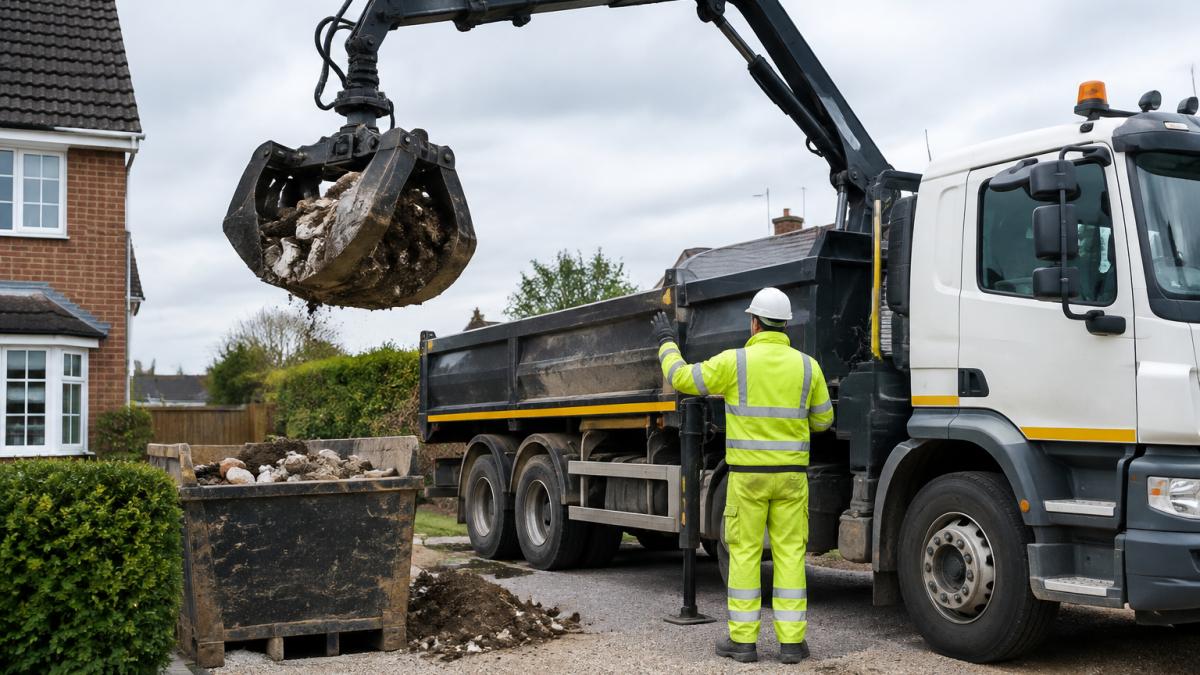
Before the vehicle arrives, we ask customers to check a few things:
-
Overhead cables, tree branches and phone lines along the reach path
-
Parked cars or bins blocking the approach
-
Soft ground that cannot take the weight of a loaded lorry
-
Gates, walls and fences the arm will need to reach over
If the pile sits behind a wall, the operator has to lift over it, so wall height and the distance beyond it both count against the reach. A load stacked tight against a fence is harder to pick cleanly than one spread across an open driveway.
Overhead clearance matters as much as horizontal reach. Phone lines, service cables, low branches and even a garage roof can stop the boom from extending safely.
Ground conditions are the third constraint. A loaded grab lorry is heavy, and soft ground, gravel, block paving or a lawn can give way under the wheels or stabilisers.
Positioning is the last piece. The lorry needs room to arrive, turn and leave without blocking a neighbour's drive or a live traffic lane.
Muck Away Service: Waste Types, Duty of Care and Legal Disposal
A muck away service removes spoil, rubble and construction waste from site and takes it to a licensed facility. It covers soil, subsoil, mixed construction waste, concrete, green waste and general site debris. The legal side matters more than most people realise, and the practical difference between a smooth clearance and a delayed one usually comes down to how the waste was sorted before the lorry arrived.
Under the UK's duty of care rules, anyone producing construction waste is responsible for making sure it is stored safely and passed to a registered carrier. You can check a carrier's registration through the Environment Agency public register. The government guidance on duty of care for waste sets out what householders and businesses must do, including keeping a written description of the waste and a transfer note when it leaves site.
In practice, waste falls into three groups that are handled differently:
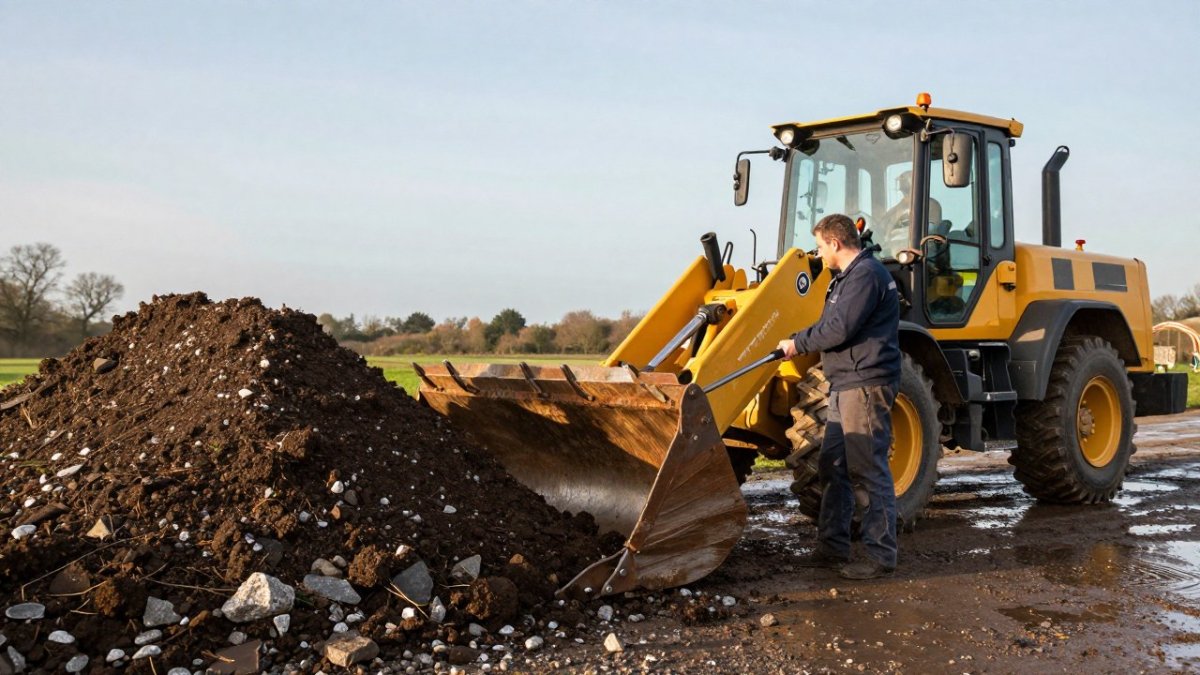
- Inert waste, soil, subsoil, clay, rubble, concrete, brick and stone. This is the bulk of most site clearances and can usually travel together in a single load, provided it is not contaminated with other materials.
- Mixed construction waste, timber, plasterboard, packaging, plastics and general site debris. This needs to be kept separate from inert material so it can be sorted at the disposal point rather than landfilled as a mixed load.
- Hazardous and problem waste, asbestos, paints, solvents, oils, treated timber and anything containing persistent organic pollutants. These need separate arrangements and cannot be tipped with a standard muck away load.
Not all waste goes in the same load.
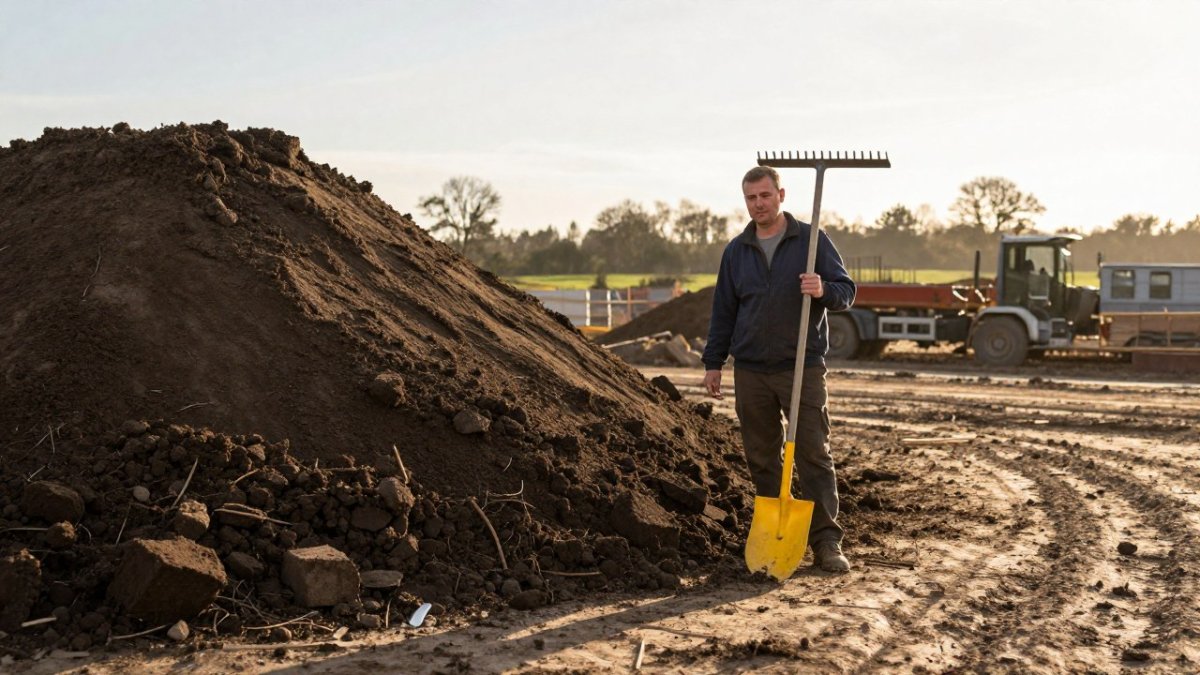
Separation on site is the part customers control. Keep inert spoil in one pile and mixed waste in another, both away from drains, watercourses and loose covers. A tarpaulin over a spoil heap stops it turning into mud in the rain and keeps the load within its weight allowance.
Documentation is the other half of duty of care. When waste leaves site, expect a waste transfer note describing the waste, the quantity, the carrier and the destination. Keep these records: they are the evidence that you met your duty of care if the load is ever traced back to your site.
Two guides worth reading before your next clearance: our builder's guide to legal waste disposal and our advice on how contractors avoid waste disposal fines. Watch out: a load described as inert that arrives at the disposal point containing timber, plastic or green waste can be rejected or reclassified, and the extra handling usually lands on the customer's bill, so sort before you book rather than after the lorry is loaded.
Book Your Grab Truck Hire with SA GRAB SERVICES
Booking grab truck hire with SA GRAB SERVICES starts with a quick conversation about your site. Tell us what you're clearing, send photos of the access, and we'll confirm the vehicle, the load size and a date. We cover Peterborough, Spalding, Wisbech, Holbeach, Whittlesey, Sleaford, Boston and the surrounding areas.
We also supply aggregates and offer digger hire with a driver, so material delivery and site preparation can come from the same firm. For domestic jobs, our guide on using grab hire for residential projects covers what to expect.
Frequently Asked Questions
How does grab hire work for site clearance?
A grab lorry arrives with a hydraulic crane and bucket. The operator loads soil, rubble, green waste or mixed construction waste from your site into the skip-style body, then transports it to a licensed waste facility.
How much does grab truck hire cost for site clearance?
Grab truck hire cost depends on load size, waste type, access and distance to the waste facility. Inert waste like soil and rubble usually costs less per load than mixed or green waste because disposal charges differ. Pricing is quoted per load, so ask for a written quote that states the load capacity in tonnes and what is included. SA Grab Services provides current pricing on request.
Is a grab truck suitable for residential site clearance?
Yes, provided access is adequate. A grab lorry needs a clear approach of roughly 3 metres wide and overhead clearance for the crane arm, typically around 4 to 5 metres. Driveways, front gardens and residential streets usually work if cars are moved and the lorry can park close to the waste. For tight terraced streets, check access before booking. The grab lorry access requirements section covers this in detail.
What is the difference between grab hire and skip hire for site clearance?
Skip hire leaves a skip on site that you fill yourself, and it is collected later. Grab hire brings a lorry and operator who load the waste for you, often in one visit. Grab trucks suit large volumes, heavy muck away and sites where a skip would block access. Skips suit small, light jobs where you need a container on site for several days. For site clearance, grab hire usually clears faster and avoids double handling.