 blog
Squirrell Plant vs Shire Toilet Hire: 7 Key Differences
Last Updated: November 19, 2026
Quick Summary
Squirrell Plant vs Shire Toilet Hire is not a like-for-like contest: Squirrell Plant focuses on plant hire, grab hire and site services, while Shire Toilet Hire covers portable toilets and welfare units. One leans towards machinery, the other towards portable sanitation and welfare.
- Welfare units combine a toilet, wash basin, drying area and often a rest space, not just a toilet.
- Construction site welfare must include suitable toilets, washing facilities, drinking water and a place to rest and eat from day one.
- One servicing visit per week is common, and additional visits are usually chargeable.
- Confirm delivery and collection charges to your specific site in writing, including any travel charges.
- Check lead times during busy periods and ask whether the same unit can be guaranteed for the whole project.
Table of Contents
- What Squirrell Plant and Shire Toilet Hire Actually Offer
- Portable Toilet Hire for Construction Sites: How the Two Providers Compare
- Construction Site Welfare Facilities: Specs, Servicing and Legal Duties
- Delivery Coverage, Equipment Availability and Pricing Structures
- A Toilet Hire Quote Checklist Before You Commit
- Planning Site Welfare and Waste Removal for Your Next Project
- Frequently Asked Questions
What Squirrell Plant and Shire Toilet Hire Actually Offer
Choosing between plant hire and portable sanitation suppliers usually starts with one question: who can get the right equipment to site on time? This comparison of Squirrell Plant vs Shire Toilet Hire looks at what each supplies, how their services overlap, and where they differ.
Squirrell Plant vs Shire Toilet Hire is not a like-for-like contest. One leans towards plant and machinery, the other towards portable sanitation and welfare.
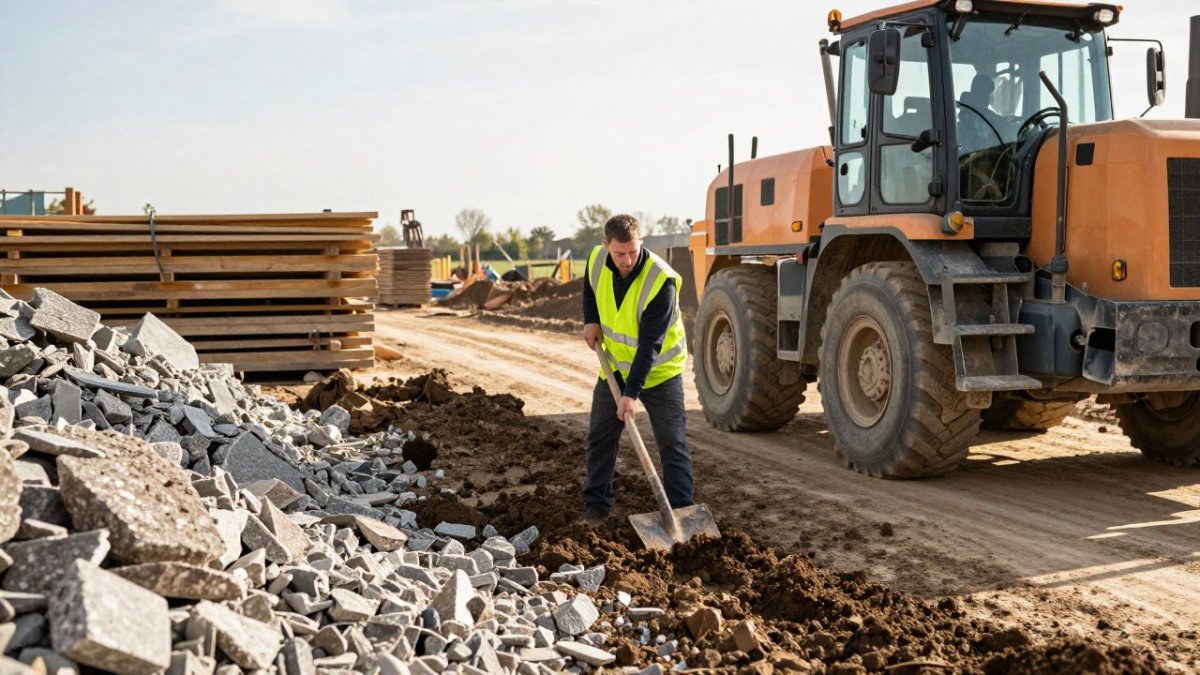
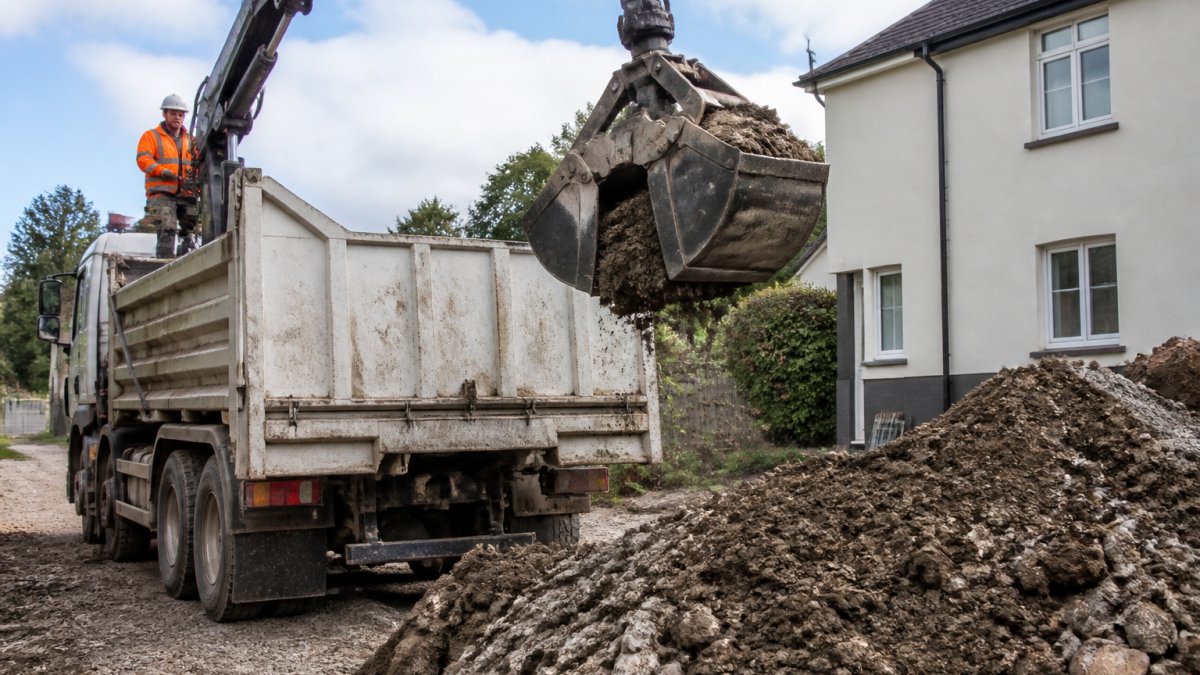
Squirrell Plant: plant hire, grab hire and site services
The appeal is convenience. One supplier for digging, moving, and clearing reduces the number of firms you chase. For groundworks and demolition, that matters.
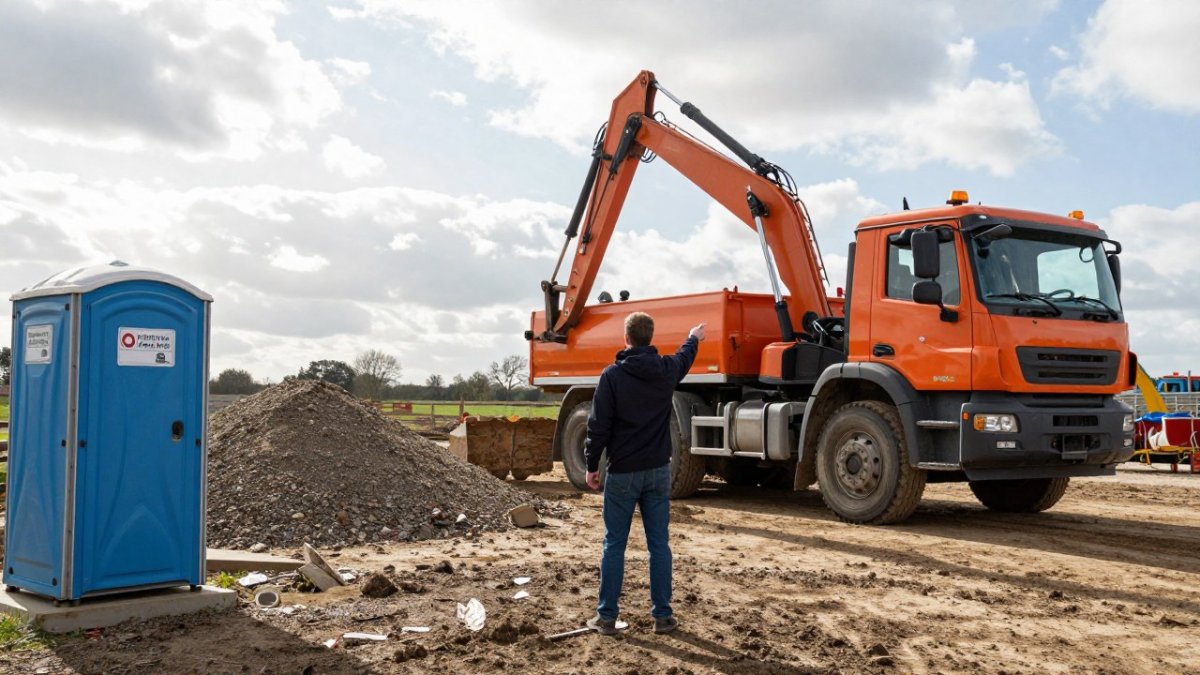
Shire Toilet Hire: portable sanitation and welfare units
Welfare is a legal duty on construction sites, not a nice-to-have (Welfare: Overview). Getting it wrong exposes contractors to enforcement action, so your supplier needs to understand servicing and compliance as well as delivery.
The two suppliers overlap less than the names suggest, so here is the split at a glance.
| Provider | Focus | What it covers |
|---|---|---|
| Squirrell Plant | Plant and machinery | Plant hire, grab hire and site services |
| Shire Toilet Hire | Portable sanitation and welfare | Portable toilets and welfare units |
Portable Toilet Hire for Construction Sites: How the Two Providers Compare
The right choice depends on whether your priority is sanitation or machinery.
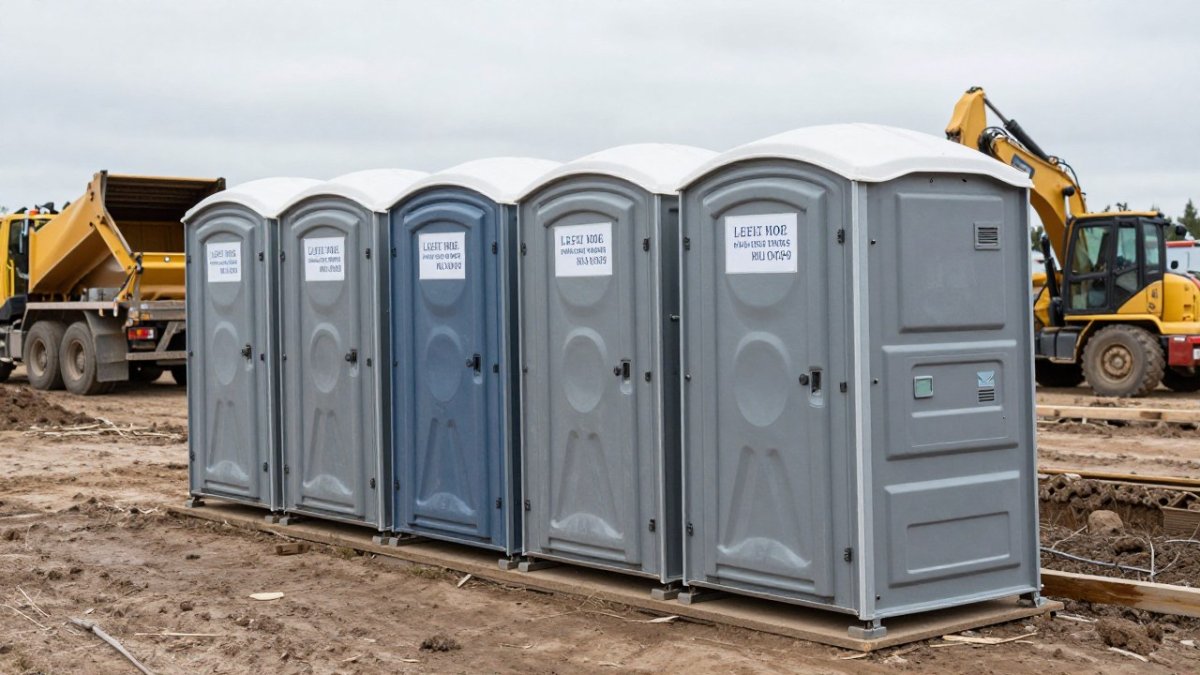
Unit types and what each suits
Portable sanitation on a construction site is not one product. The common configurations are:
- Standard portable toilet (chemical recirculating): a single self-contained cubicle with a holding tank. Suits small crews and short-duration groundworks where a mains connection is not available.
- Fresh-flush or flushable units: plumbed to a water supply and waste tank, with a more domestic experience. Better for longer projects and larger headcounts, but they need a water feed and a suitable standing area.
- Welfare units (towable or static): combine a toilet, wash basin, drying area and often a rest space with seating and a kettle point. These are the units that satisfy the broader welfare duty, not just the toilet requirement.
- Accessible units: wider doors, grab rails and level access, required where the workforce includes someone with a disability or where the site is open to the public.
Servicing, emptying and what happens between visits
Servicing is the part of a toilet hire quote most often underspecified. Ask each supplier:
- How often will the unit be serviced, and is that included in the quoted rate or billed per visit?
- What is the holding-tank capacity, and how many person-days will it cover before a midweek empty is needed?
- What is the response time if a unit fails, blocks or is vandalised, and is there an out-of-hours number?
- Who provides the waste transfer note for the emptied waste, and is the carrier registered?
Matching unit count to headcount and duration
Confirm the count against peak headcount, not average, because the busiest day is when a shortage becomes a stoppage.
The compliance question that separates the two
The supplier conversation should cover washing facilities, drinking water and a place to rest and eat, not just the toilet.
Construction Site Welfare Facilities: Specs, Servicing and Legal Duties
Construction site welfare facilities must meet the standards set out in the HSE guidance on welfare facilities at construction sites.
Servicing frequency matters too, so ask any toilet hire supplier how often units are serviced and what happens if a unit fails mid-project.
Waste removal sits alongside welfare as a legal duty.
For a deeper look at lawful disposal, read the builder's guide to legal waste disposal. If fines are your concern, our piece on how contractors avoid waste disposal fines sets out the practical steps.
Delivery Coverage, Equipment Availability and Pricing Structures
Pricing for plant and toilet hire depends on quantity, dates and delivery, so the components of a quote matter more than the headline number. Contact SA GRAB SERVICES for current prices or a quote.
What actually drives a plant hire quote
For excavator, dumper and grab lorry hire, the main cost components are:
- Hire duration: charged per day, week or month, with longer rates usually cheaper per day. A part-week hire is often billed as a full week.
- Machine size and type: a 1.5-tonne mini excavator and a 13-tonne tracked excavator sit at very different day rates, and a grab lorry is priced per load.
- Operator: digger hire with a driver is priced differently from self-drive, which usually requires proof of competence and insurance.
- Transport and delivery: moving plant to site is chargeable, scaled to distance and whether a low-loader is needed.
- Fuel and damage: confirm whether fuel is included or charged on return, and what the damage waiver or excess looks like.
What actually drives a toilet hire quote
For portable sanitation, the components are different:
- Unit type and count: a standard portable toilet, a fresh-flush unit and a towable welfare unit carry different weekly rates.
- Hire duration: event hire is often priced per weekend or day, while construction hire is priced weekly with a minimum period.
- Servicing frequency: one visit per week is common; additional visits are usually chargeable.
- Delivery and collection: chargeable, and the item most often omitted from a headline rate.
- Consumables and extras: hand-wash stations, drinking water, toilet roll and chemical are sometimes included and sometimes itemised.
Ask for the all-in figure for your hire period, including delivery, collection and servicing.
Delivery coverage and travel charges
Delivery coverage is the factor most often overlooked. A supplier who lists your area may still apply travel charges for sites on the edge of their patch, and availability can differ by postcode. Confirm in writing: the delivery and collection charge to your specific site, the lead time for your requested date, and whether the supplier services your area at weekends or out of hours. For plant, also confirm delivery before your start time and collection after your finish, because a machine sitting overnight is a security consideration as well as a cost.
Equipment availability and lead times
Check lead times during busy periods rather than assuming stock is ready. For a multi-week project, ask whether the supplier can guarantee the same unit or machine for the duration, because a mid-project swap can affect servicing schedules and operator familiarity.
For a closer look at how grab hire pricing is built, see our comparison of grab hire vs skip hire pricing. If you are weighing up a commercial job, the seven commercial grab hire pricing factors break down what drives a quote.
A Toilet Hire Quote Checklist Before You Commit
A toilet hire quote checklist keeps you from comparing apples with oranges. Before you sign, confirm each of the following in writing:
- Number and type of units, matched to headcount
- Hire duration and the cost of extending it
- Servicing frequency and what each visit includes
- Delivery and collection charges, including travel
- Emergency callout terms if a unit fails
- Waste transfer paperwork and who provides it
- Whether hand wash stations and drinking water are included
- Confirmation of the delivery date and time window
Planning Site Welfare and Waste Removal for Your Next Project
Plan welfare and waste together at the start of the project. Decide your unit count, servicing schedule and waste route before work begins, and confirm each supplier's delivery dates in writing.
If you are still choosing a waste partner, our guide on how to find reliable muck away services covers what to ask.
Sorting welfare and waste separately creates gaps that cost time and money.
Frequently Asked Questions
What services does Squirrell Plant offer compared with Shire Toilet Hire?
Squirrell Plant focuses on plant and machinery hire, grab hire, tool hire and general site services, so it suits groundwork, demolition and material handling. Shire Toilet Hire specialises in portable toilet hire, welfare units and sanitation equipment for construction sites and events. The two overlap only at the edges, which is why many contractors use a plant supplier and a separate sanitation supplier rather than expecting one firm to cover both.
Which provider is better suited to a construction site?
It depends on the gap on your site. For a full site setup you will usually need both categories of supplier, plus a waste removal partner. Check each provider's delivery radius and servicing schedule against your programme before booking.
What should I compare when choosing a toilet hire company?
Work through a toilet hire quote checklist: unit type and size, number of units against your headcount, delivery and collection charges, servicing frequency, waste tank capacity, emergency call-out terms and whether the price includes consumables. Confirm the quote states the hire period in weeks and any charges for extending it. Ask for the servicing schedule in writing so you know when the tank is emptied and the unit cleaned.
How do I check whether a hire company covers my site?
Give the supplier your full site postcode at enquiry stage and ask them to confirm the delivery charge and lead time in writing. Coverage maps on a website are a guide, not a guarantee, and travel surcharges often appear only on the quote. If your site sits at the edge of a supplier's area, ask whether the same rate applies on a Friday collection as a Monday delivery, because weekend logistics can change the price.